
Vision Therapy
Changing lives through vision therapy!
We are dedicated to promoting awareness and knowledge of optometric rehabilitative vision therapy for the general public, and other professionals, to improve quality of lives.

Definition of Optometric Rehabilitative Vision Therapy:
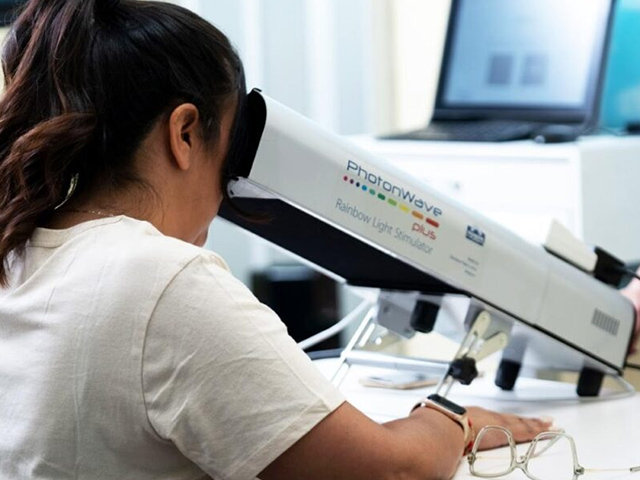
Optometric rehabilitative vision therapy is a sequence of neurosensory and neuromuscular activities individually prescribed and monitored by the doctor of developmental optometry to develop, rehabilitate and enhance visual skills and processing. The optometric vision therapy program is based on the results of a comprehensive eye examination and a complete developmental visual evaluation and takes into consideration the results of standardized tests, the needs of the patient, and the patient’s signs and symptoms. The use of lenses, prisms, filters, occluders, specialized instruments, and computer programs is an integral part of optometric vision therapy. The length of the therapy program varies depending on the severity of the diagnosed conditions, typically ranging from several months to longer periods of time. Activities paralleling in-office techniques are typically taught to the patient to be practiced at home, thereby reinforcing the developing visual skills.
Research has demonstrated optometric vision therapy can be an effective treatment option for:
- Ocular motility dysfunctions (eye movement disorders)
- Nonstrabismic binocular disorders (inefficient eye teaming)
- Strabismus (misalignment of the eyes)
- Amblyopia (poorly developed vision)
- Accommodative disorders (focusing problems)
- Visual information processing disorders, including visual-motor integration and integration with other sensory modalities
- Visual sequela of acquired brain injury
Approved by the American Optometric Association Board of Trustees, April 2023
From the College of Optometrists in Vision Development about vision therapy (visit www.covd.org for additional information)
Not Just “Eye Exercises”
Unlike self-directed programs of “eye exercises” marketed to the public, in-office optometric vision therapy is conducted under the supervision of an optometrist and supported by ongoing, evidence-based scientific research.
The goal of optometric vision therapy (“VT”) is not to strengthen eye muscles. Your eye muscles are already incredibly strong, and the vision problems VT aims to treat are rarely caused by muscle weakness. Instead, vision therapy aims to retrain the learned aspects of vision through the recently understood concept of neuroplasticity.
Who is vision therapy for?
MDs Talk about Vision Therapy
Our Mission and Vision Statements are stated elsewhere, not necessary to repeat it here
At Burbank Optometric Center, we are dedicated to utilizing the power of syntonic and vision therapy to help patients overcome visual challenges and achieve optimal visual performance. Through careful diagnosis and personalized treatment, we aim to enhance visual skills, peripheral vision, memory, behavior, mood thereby removing the visual barriers to academic achievement. With years of clinical experience and ongoing research, we are committed to providing effective and transformative care to individuals of all ages.
Quick Links
Helpful Articles
article_category: eye health
article_category: general
article_category: cats
article_category: large animal
article_category: dogs
article_category: restorative
article_category: cosmetic
article_category: faqs
article_category: preventative
article_category: ocular disease management
article_category: aesthetics
article_category: products
article_category: surgical procedures
article_category: vision therapy
article_category: exotic
article_category: contact lenses
article_category: eye surgery co-management
article_category: health
article_category: services
article_category: technology
article_category: eyeglasses
article_category: psychiatry
article_category: conditions
[]
article_category: general
article_category: cats
article_category: large animal
article_category: dogs
article_category: restorative
article_category: cosmetic
article_category: faqs
article_category: preventative
article_category: ocular disease management
article_category: aesthetics
article_category: products
article_category: surgical procedures
article_category: vision therapy
article_category: exotic
article_category: contact lenses
article_category: eye surgery co-management
article_category: health
article_category: services
article_category: technology
article_category: eyeglasses
article_category: psychiatry
article_category: conditions
[]
Flowbite is an open-source library of interactive components built on top of Tailwind CSS including buttons, dropdowns, modals, navbars, and more.
Check out this guide to learn how to get started and start developing websites even faster with components on top of Tailwind CSS.

All Eye Care Services
Find personalized eye care excellence with our comprehensive services. From eye exams to advanced diagnostics, trust us for all your vision needs.
Keep In Touch
For non-urgent questions or to learn more about our services, contact us today!
© 2026 Burbank Optometric Center, Inc.. All rights Reserved - Accessibility Statement - Privacy Policy - Sitemap
Managed and Designed by 